









Are you interested in finance, accountability, and giving back to your community? TEG Federal Credit…

Inflation and Home Prices: What You Need to Know
Published on June 1, 2026 | Last Updated October 13, 2026
Inflation Remains Elevated, But the Economy Continues to Move Forward
Inflation and interest rates continue to be top concerns for consumers in 2026. While inflation showed signs of improvement earlier in the year, recent data indicates prices are still rising faster than the Federal Reserve would like.
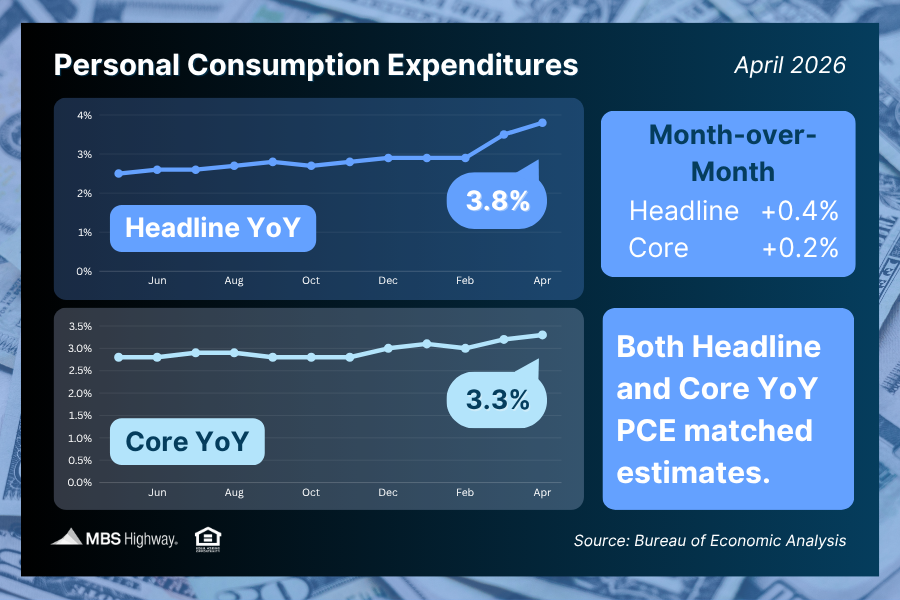
The latest Personal Consumption Expenditures (PCE) report, one of the Federal Reserve’s preferred inflation measures, showed inflation ticking higher in April. Core inflation, which excludes food and energy costs, remains above the Fed’s long-term target of 2%.
As a results, the Federal Reserve is continuing to take a cautious approach when considering future interest rate changes. While many experts still anticipate potential rate cuts later this year, inflation remains an important factor in those decisions.
For consumers, this means borrowing costs, including mortgage rates, may continue to fluctuate as economic conditions evolve.
Home Prices Continue to Show Long-Term Growth
While home price growth has slowed compared to the rapid appreciation seen in recent years, homeownership continues to be a powerful long-term wealth-building tool.
Recent housing reports showed home values holding relatively steady nationwide, with modest year-over-year gains. More importantly, long-term forecasts remain optimistic.
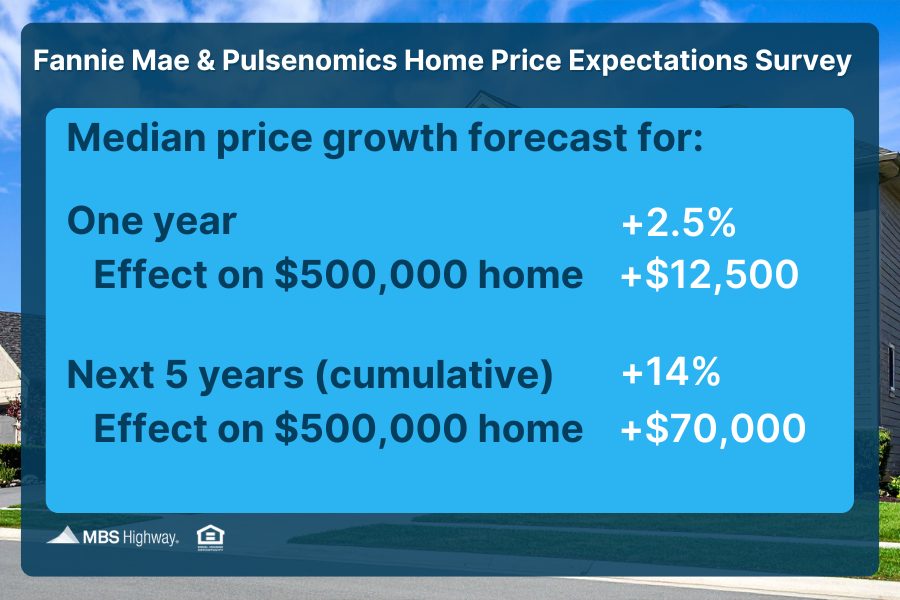
According to the latest Home Price Expectations Survey from Fannie Mae and Pulsenomics, housing experts project home prices could increase approximately 14% over the next five years.
To put that into perspective
- A $300,000 home could gain roughly $42,000 in value.
- A $400,000 home could gain roughly $56,000 in value.
- A $500,000 home could gain roughly $70,000 in value.
While future appreciate is never guaranteed, these projections highlight why many people continue to view homeownership as a key part of building long-term financial stability.
New Home Sales Slow, But Housing Demand Remains
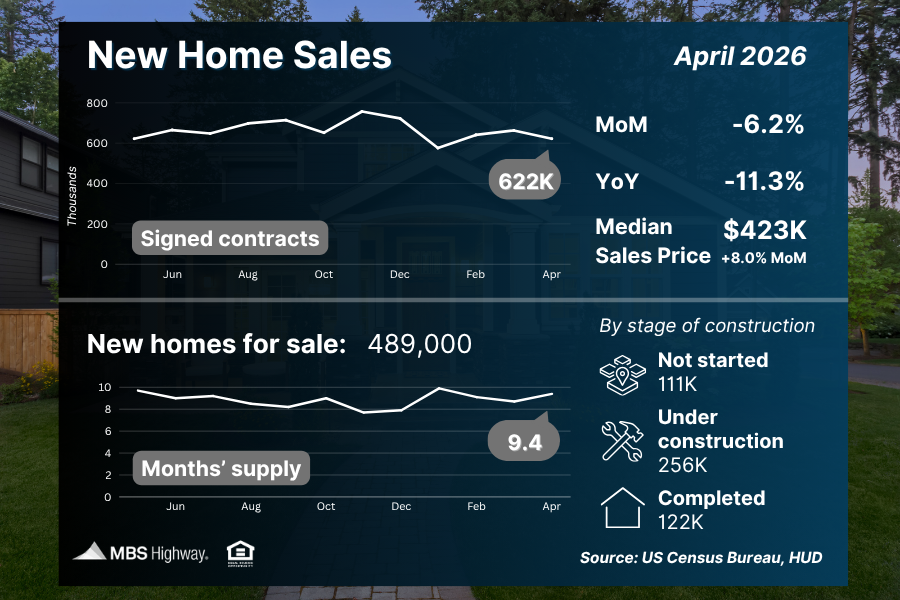
New home sales declined in April after two consecutive months of growth. Higher mortgage rates and increased fuel costs likely contributed to some buyers delaying their home purchases.
However, housing demand remains relatively strong.
One factor supporting home values is limited inventory. While many new home are currently available for sale, a significant portion are still under construction and not yet move-in ready. This limited supply of completed homes continues to create competition in many markets.
For buyers, this means preparation is important. Understanding your budget, securing financing, and working with trusted lending professionals can help position you for success when the right home becomes available.
Economic Growth Continues Despite Some Labor Market Softness
The U.S. economy continued to grow during the first quarter of 2026, although at a slower pace than many economists expected.
At the same time, unemployment claims have shown some mixed signals. While layoffs remain relatively low, some job seekers are taking longer to find new employment opportunities.
Overall, the economy continues to demonstrate resilience, but consumers should remain mindful of changing economic conditions and how they may impact borrowing costs, savings goals, and household budgets.
What This Means for Homebuyers and Homeowners
The current economic environment presents both challenges and opportunities.
Inflation remains higher than desired, and mortgage rates may continue to fluctuate. However, long-term home appreciation forecasts remain positive, and housing inventory constraints continue to support home values in many areas.
For current homeowners, steady appreciate may help build equity over time.
For prospective buyers, purchasing a home remains one of the most effective ways to create long-term wealth while securing a place to call your own.
The Bottom Line
While inflation continues to influence interest rates and the broader economy, housing remains a bright spot for long-term financial growth. Home values are expected to rise over the coming years, and limited inventory may continue supporting prices.
Whether you’re buying your first home, moving to a new property, or refinancing an existing mortgage, having the right financial partner can make all the difference.
At TEG Federal Credit Union, our experience mortgage team is here to help you understand your options and navigate today’s housing market with confidence. Contact us to learn more about our mortgage solutions and how we can help you achieve your homeownership goals.
Categories: Mortgage & Home Loans
More Recent Posts


Retirement might feel like a long way off, but the choices you make today can…

September is National Preparedness Month, which means it’s the perfect time to take a look…

National Dog Day is August 26th, and it is all about celebrating the four-legged friends…