









Are you interested in finance, accountability, and giving back to your community? TEG Federal Credit…

Home Price Forecast: What Buyers Should Know
Published on March 9, 2026
What Is the Current Home Price Forecast?
Recent housing data suggests home prices remain stable — and experts believe they may continue rising in the coming years.
While economic factors like inflation and employment trends can influence mortgage rates, the overall outlook for housing remains positive due to strong buyer demand and limited housing supply.
Here are the key trends shaping the housing market right now.
Are Home Prices Still Rising?
Yes, home prices are still showing steady growth.
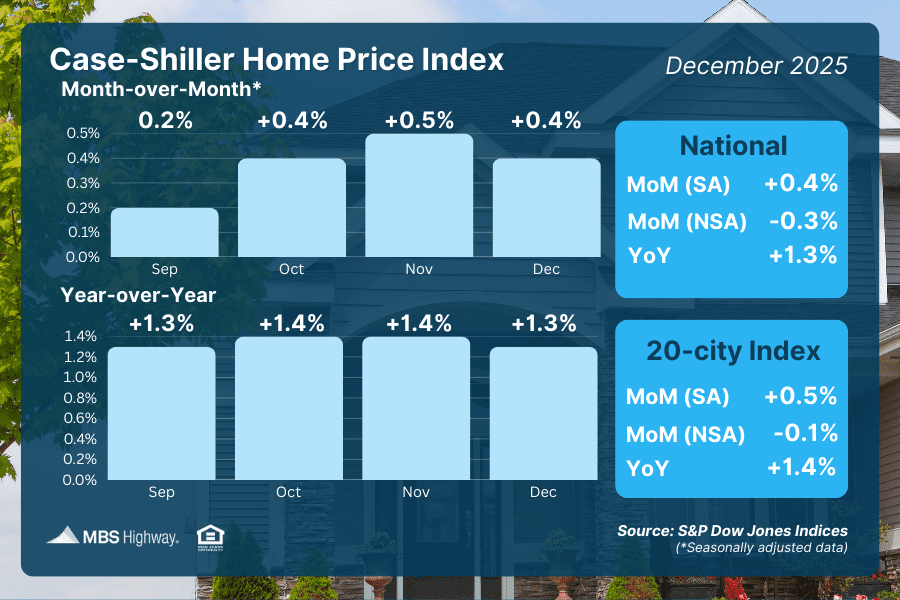
The S&P CoreLogic Case-Shiller Home Price Index reported that home prices dipped 0.3% between November and December before seasonal adjustments, but once normal seasonal patterns were applied, prices rose 0.4% for the month.
Year over year, national home prices are up 1.3%.
Another measure, the FHFA House Price Index, showed a 0.1% monthly increase and 1.8% annual growth.
Why prices are staying strong
Two major factors are supporting home values:
- Buyer demand is increasing as mortgage rates ease
- Housing inventory remains limited
Builders are still cautious, and new homes take time to complete due to permitting and construction timelines. When demand grows faster than supply, home prices tend to stay supported.
How Much Could Home Prices Rise?
Housing experts expect home values to continue increasing in the coming years.
A survey conducted by Fannie Mae and Pulsenomics asked more than 150 housing economists to share their forecasts.
The median projection shows home prices could rise about 15% over the next five years.
Example of potential equity growth
If a home is worth $500,000 today, a 15% increase could add approximately $75,000 in value over that time.
This is one reason why homeownership is often considered a long-term wealth-building strategy.
How Does Inflation Affect Mortgage Rates?
Inflation remains one of the biggest factors influencing mortgage rates.
The latest Producer Price Index (PPI) report showed wholesale inflation rose:
- 0.5% in January
- 2.9% compared to a year ago
Core inflation, which excludes food and energy, rose 0.8% for the month.
The Federal Reserve closely monitors inflation when deciding whether to adjust interest rates. If inflation remains elevated, the Fed may move cautiously when lowering rates.
This can influence mortgage rate trends over time.
What Is Happening in the Job Market?
The labor market still appears relatively strong based on unemployment claims.
Recent data showed 212,000 new jobless claims, which remains low by historical standards.
However, the rise of gig and contract work may be changing how unemployment is measured. Some workers who lose traditional jobs may turn to freelance or app-based work rather than filing for unemployment benefits.
At the same time, continuing unemployment claims remain elevated, which suggests some workers are taking longer to find full-time positions.
Bottom Line
Housing market forecasts suggest home prices are likely to continue rising in the coming years, especially if buyer demand remains strong while housing supply grows slowly.
For homeowners, this could mean continued growth in home equity.
For buyers, it highlights why purchasing sooner rather than later may offer long-term financial benefits.
While economic factors like inflation and employment trends can influence mortgage rates, homeownership remains one of the most reliable ways to build wealth over time.
Categories: Mortgage & Home Loans
More Recent Posts


TEG Federal Credit Union will award three $1,000.00 scholarships to graduating high school seniors who…

That kitchen you mentally redesign every single morning. The bathroom desperately needs a fresh look.…

Fed Hits Pause Again, but Not Without Debate For the second meeting in a row,…

Spring isn’t just for your closet! Just like you clear out old clothes and tidy…