








Are you interested in finance, accountability, and giving back to your community? TEG Federal Credit…

Inflation, Home Sales & the Economy: What to Know in 2026
Published on March 18, 2026
Home Sales Are Rising… But the Economy is Slowing — What It Means for You
The economy is showing a mix of trends: inflation is easing, home sales are picking up, but overall growth is slowing. Here’s what that means for your money and your financial decisions.
Inflation is Cooling
Inflation—how quickly prices are rising—is finally easing.
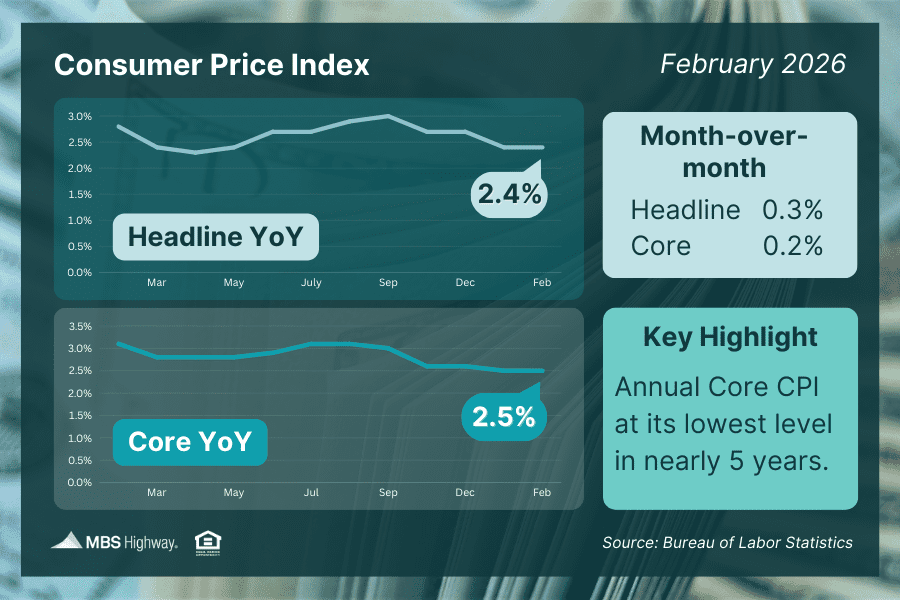
- Consumer prices rose 2.4% over the past year
- Core inflation (excluding food and energy) drop to 2.5%, the lowest in nearly five years
- Shelter costs increased just 0.1% in February, the smallest rise in five years
This slowdown helps your money go further, making everyday expense like rent, groceries, and utilities more manageable.
Interest Rates are Steady—for Now
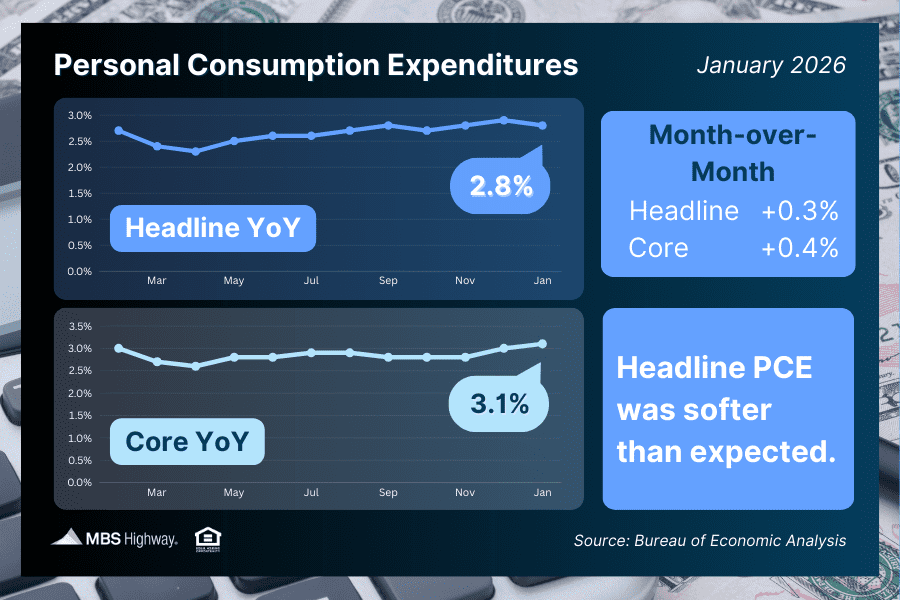
Even with inflation improving, interest rates haven’t dropped. The Federal Reserve is taking a cautious approach, balancing progress on inflation with signs of a slowing job market.
For you, this means loan rates may stay steady for now, though rate cuts could come later depending on economic conditions.
Home Sales are Rising
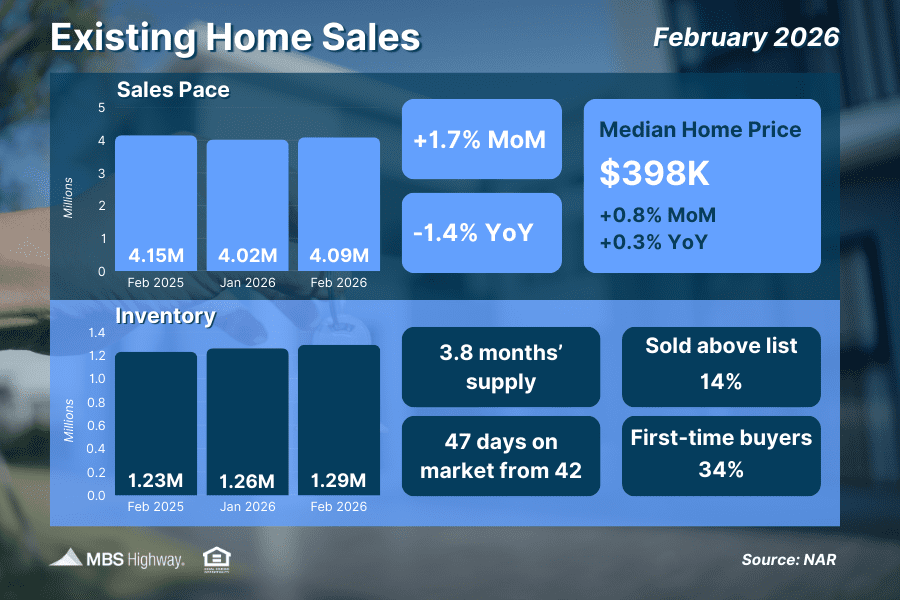
After a slow start to the year, existing home sales increased in February.
- Sales rose 1.7%
- Housing inventory grew slightly, giving buyers more options
More homes becoming available is encouraging, but supply is still limited. If buyer demand rises faster than inventory, home prices could increase again.
New Construction: More Apartments, Fewer Houses
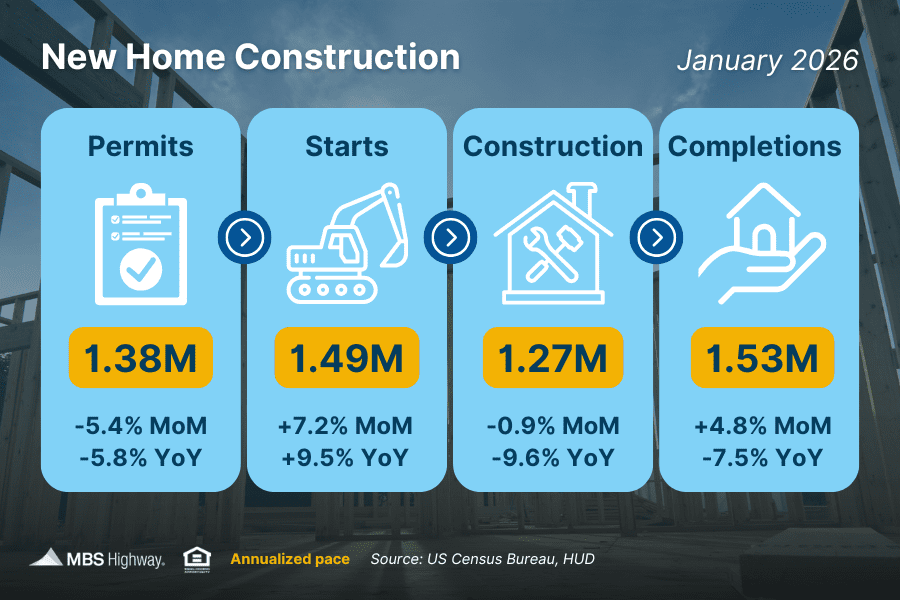
New housing construction showing mixed signals.
- Multi-family (apartment) construction surged
- Single-family home starts declining
- Building permits dropped, signaling less future supply
More apartments could help stabilize rent prices, but fewer single-family homes may keep home prices higher over the long term.
Economic Growth is Slowing
The U.S. economy grew at 0.7% in late 2025, down from 4.3% earlier in the year. Jobless claims remain low, and job openings increased slightly, indicating a stable job market despite slower overall growth.
Inflation is easing, home sales are rising, and interest rates are likely to remain steady for now. Economic growth is slowing but the job market is resilient.
If you’re considering buying a home, refinancing, or taking out a loan, this market offers both opportunities and challenges. Waiting could mean lower rates later, but acting now could mean less competition.
The economy is moving in multiple directions at once. Inflation is cooling, housing trends are shifting, and growth is slowing. Staying informed can help you make confident financial decisions, no matter what comes next.
Categories: Mortgage & Home Loans
More Recent Posts


TEG Federal Credit Union will award three $1,000.00 scholarships to graduating high school seniors who…

Our Power, Our Planet 🌎 This Earth Day, we’re reminded that small choices make a…

A Closer Look at Today’s Economy In this blog, we’ll share a jobs report and…
April marks Financial Literacy Month, an annual opportunity to focus on strengthening your financial knowledge…